Jun 25, 2026 · 5 min read
The Art of Doing Nothing
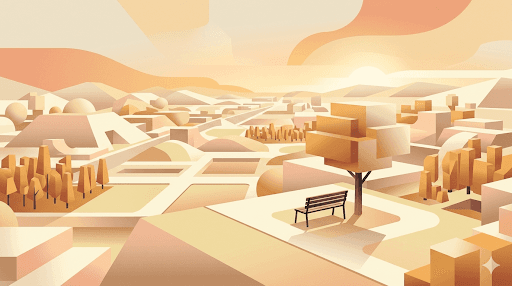
We have forgotten how to be bored.
Not the anxious, phone-reaching kind of boredom — the kind we sprint away from the moment it arrives. The other kind. The slow, spacious kind where your mind wanders without a destination and comes back carrying something unexpected.
The Productivity Trap
Somewhere along the way, rest became something you had to earn. You grind through the week and collapse on Sunday, calling it recovery. But recovery from what? From never stopping?
The strange thing is — the more we optimise our time, the less we seem to have of it. Every gap gets filled. Commutes become podcasts. Lunch becomes a scroll. Even sleep gets hacked.
We are so afraid of empty space that we've built an entire industry around filling it.
What Stillness Actually Does
Neuroscience has a name for what happens when you stop: the default mode network. It activates during rest — not during focus. And it's responsible for some of your most important mental work: connecting ideas, processing emotions, imagining futures, understanding other people.
When you never stop, you never let this network run. You're essentially keeping the most creative part of your brain permanently offline.
The Hardest Skill
Doing nothing is not passive. It takes practice.
Sit without your phone for ten minutes and notice what happens. Your hand reaches. Your mind itches. You remember three things you forgot to do. You feel vaguely guilty for wasting time.
That discomfort is the whole point. Sitting with it — not fixing it — is the skill.
A Different Metric
What if the most productive thing you did today was the walk you took without headphones? The ten minutes you sat by a window and watched the light change? The conversation you had with no agenda?
You won't be able to measure it. It won't show up in your task manager.
But something in you will know the difference.
Clarity isn't found. It's built — usually in the spaces between everything else.
Thanks for reading. If this resonated with you, I'd love to hear about what you're building. Get in touch.